The Origin Story · 2002–2004
SistaStyle
Two decades before Nena was a fully-lit hero, she was a single graffiti sketch — drawn for a teenage-girl show staged at London's ExCeL. This is where she started, and how she almost didn't.
The Story
Two decades before Nena was a fully-lit hero, she was a single graffiti sketch — drawn for a teenage-girl show staged at London's ExCeL. This is where she started, and how she almost didn't.
My phone was not smart, and had a monochrome screen. Televisions still had sides. Facebook, Instagram and X didn't exist yet — if you wanted to reach your audience, you had to go and stand in the same room as them.
I'd recently sold my shares in my London agency and was hunting for the next challenge. In 2001 I'd also just met the events and marketing manager at Sony PlayStation — so between us, we knew a thing or two about building a crowd.
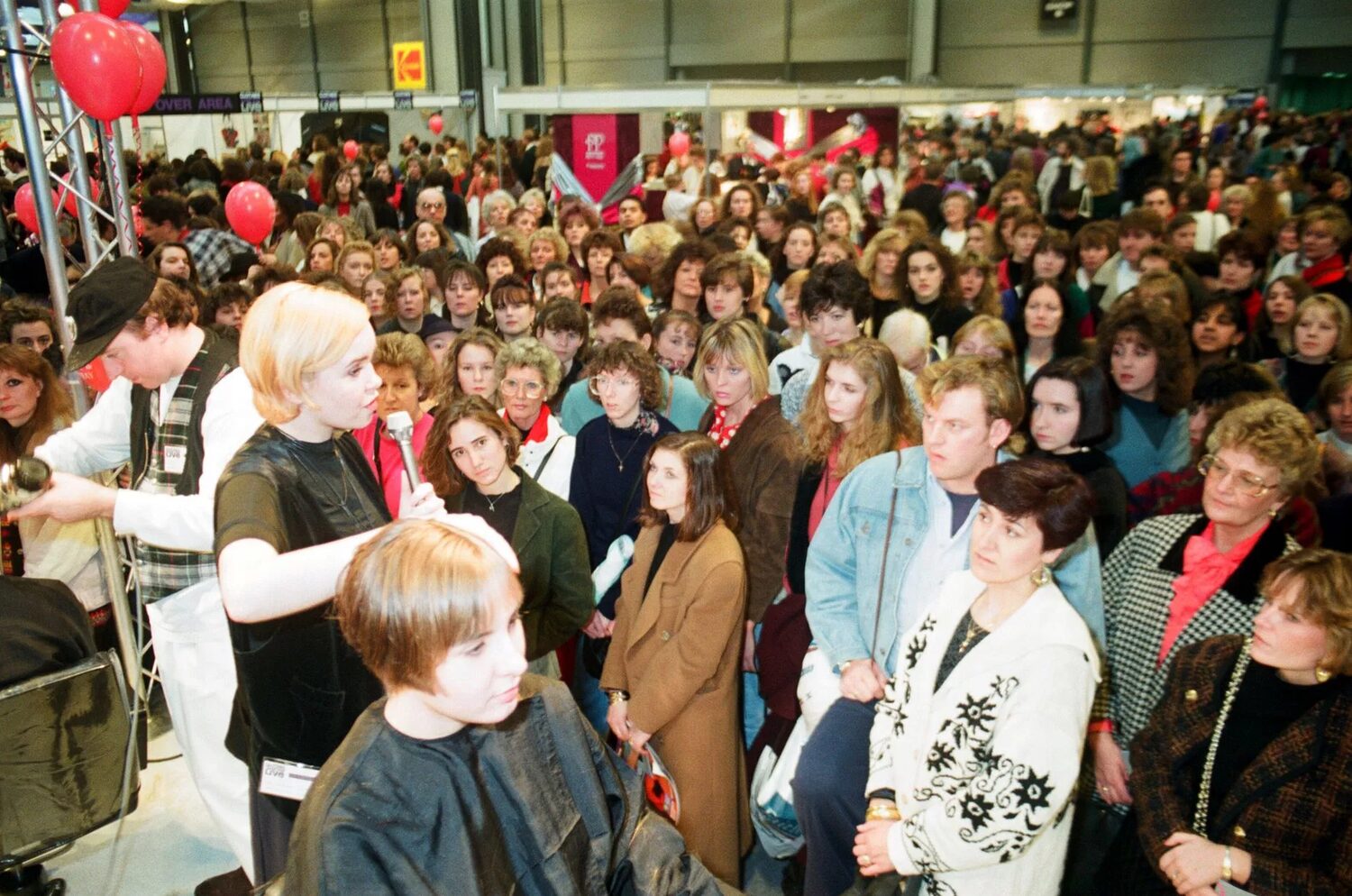
We drove up to Clothes Show Live — the big annual fashion, beauty and music exhibition. On the drive home I had one nagging thought: this doesn't exist in London. Not for the girls who actually needed it.

In 2002 we set up The Style Group and wrote the plan straight off the back of that feeling: create a London-based show where girls could shop, hear live music, get their make-up done — and just hang out with their mates.
A plan. Money. A brand. A venue. Partners. Retailers. Talent. Everything, all at once. And with that, SistaStyle was born.
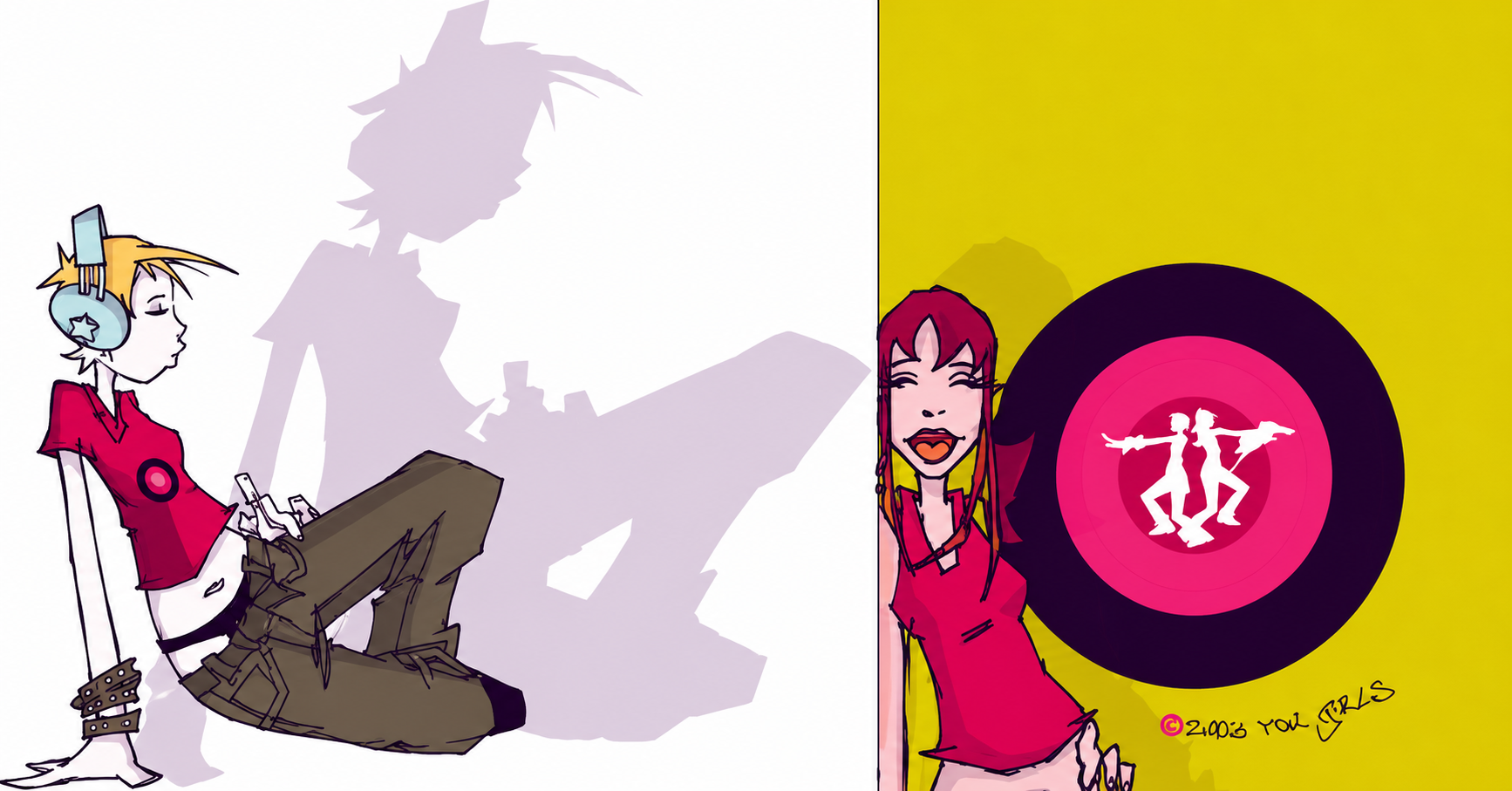
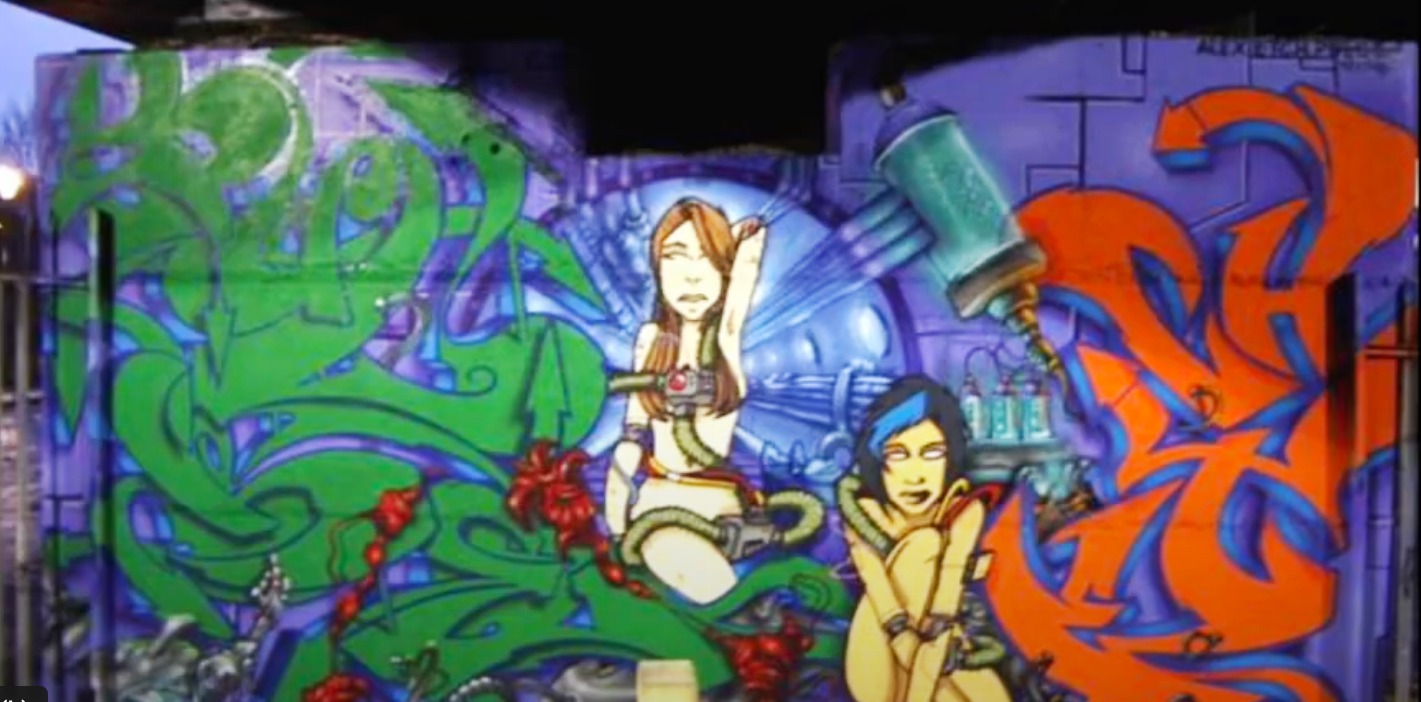
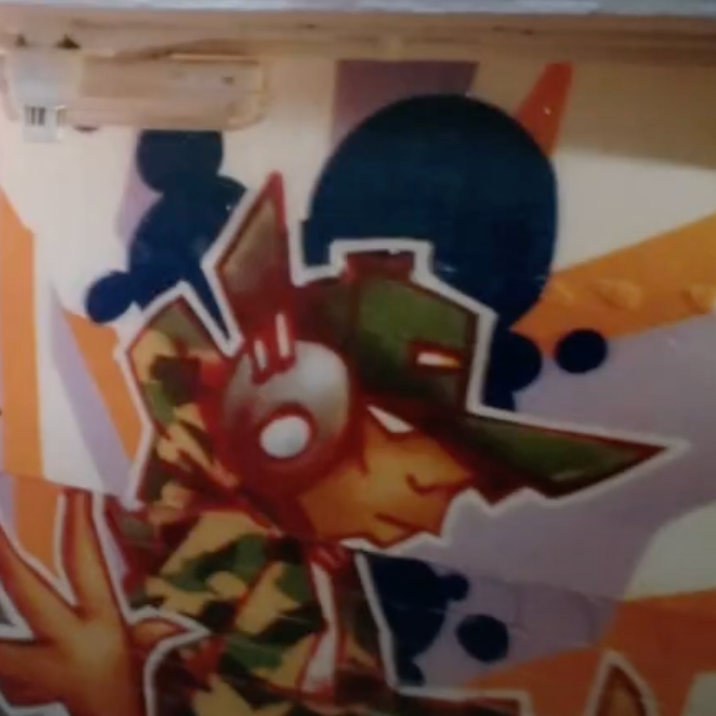
The brand couldn't look like everything else on the shelf. So we commissioned a London graffiti artist to give SistaStyle a face — a small figure, oversized headphones, a board under one arm. That single 2003 sketch is the girl who, twenty years later, became Nena.
None of this was cheap, and we weren't rich. So we did the only thing that made sense at the time — and by the summer of 2003, we'd raised every penny we needed.
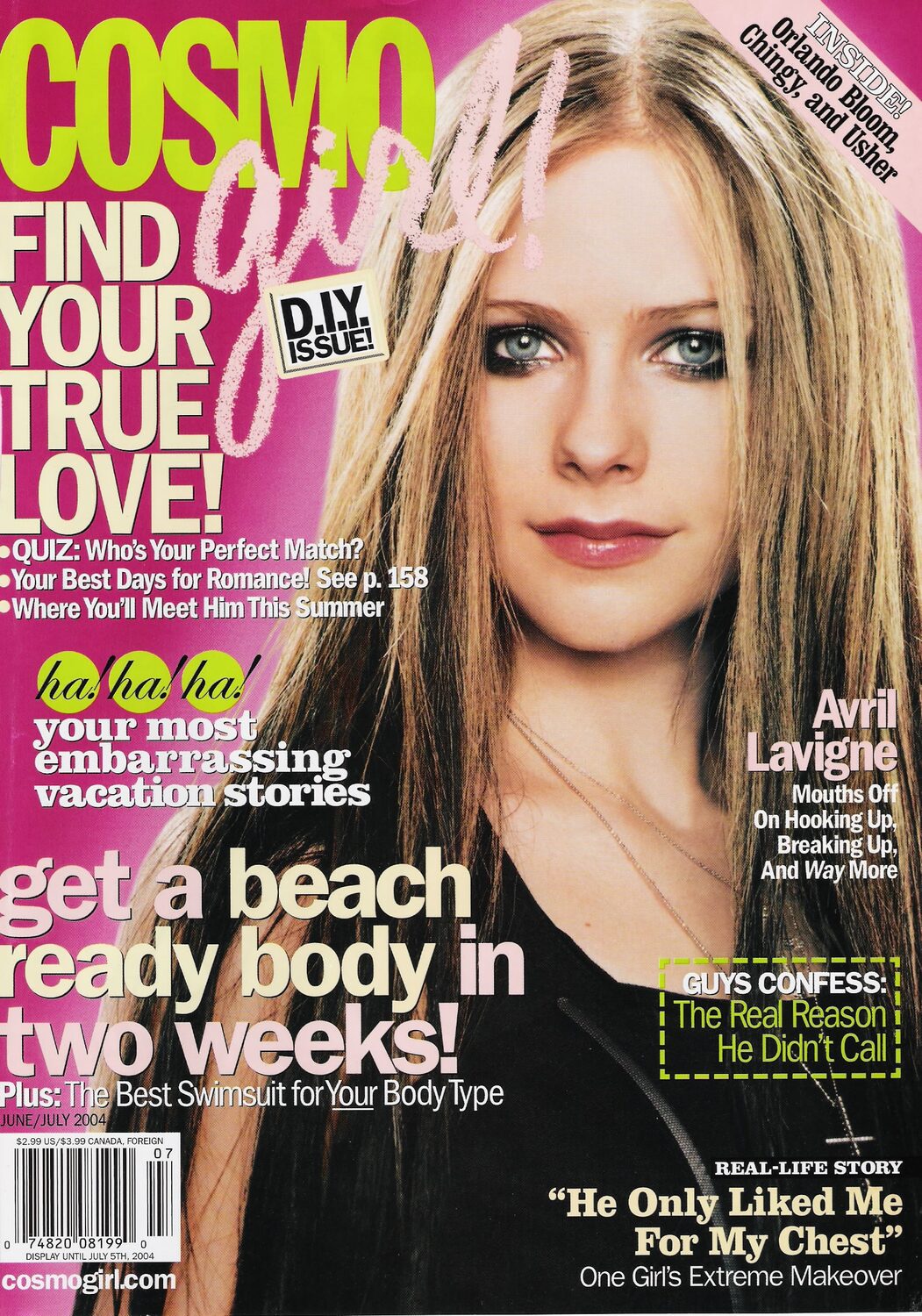
With the money in place, we went out — quite literally walking around London — convincing brands to come on board. SistaStyle ended up partnered by Natmags–Cosmo Girl, Kiss 100 and Clinique, to name a few.
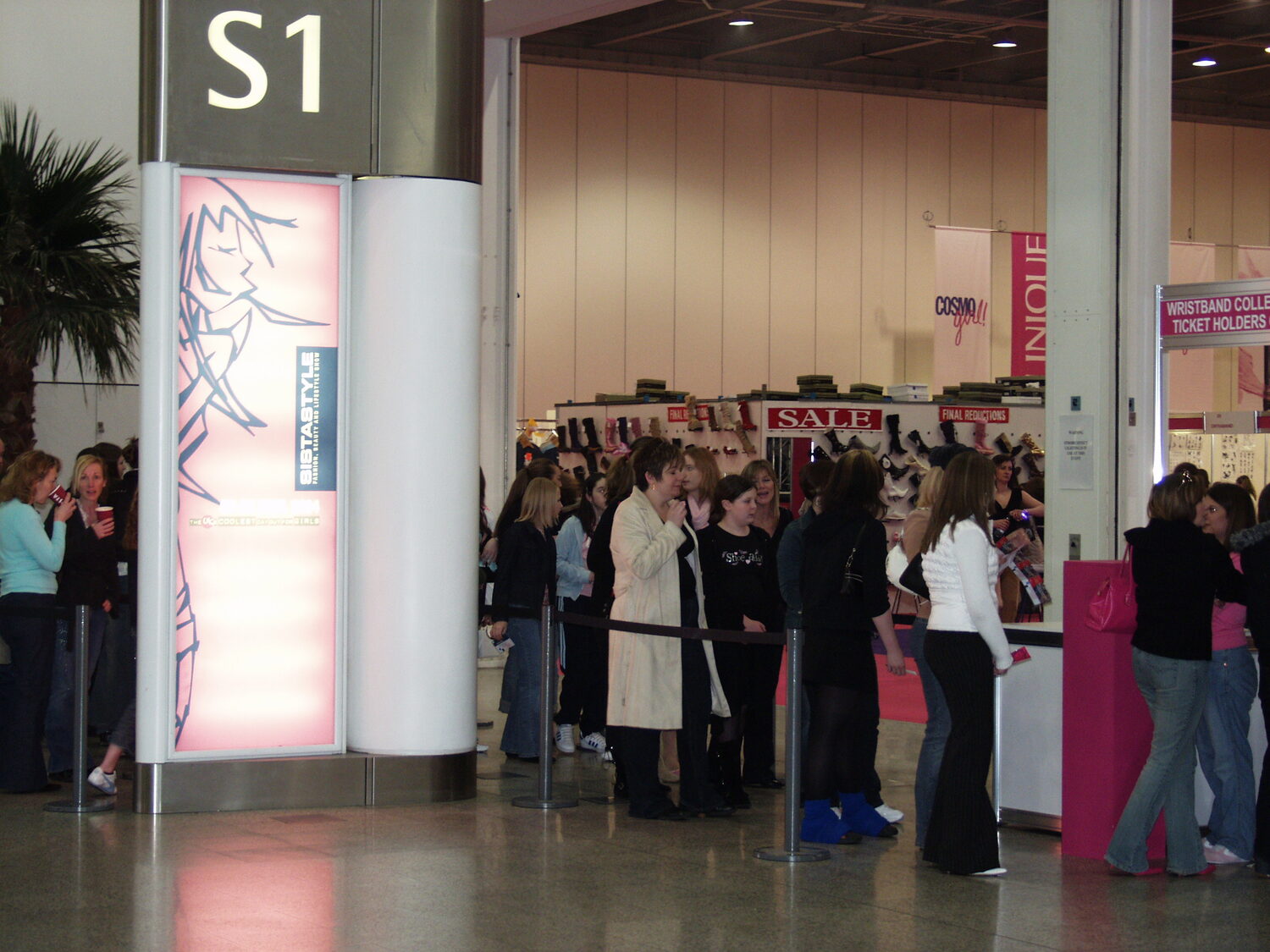
Olympia wanted £300k. London's ExCeL was a fairly new venue, hungry for events — and the final cost came in at £50k. Six thousand square metres to fill, and a show floor that still needed a hundred retailers on it, so we kept knocking, kept walking, kept selling the idea until the plan filled up.
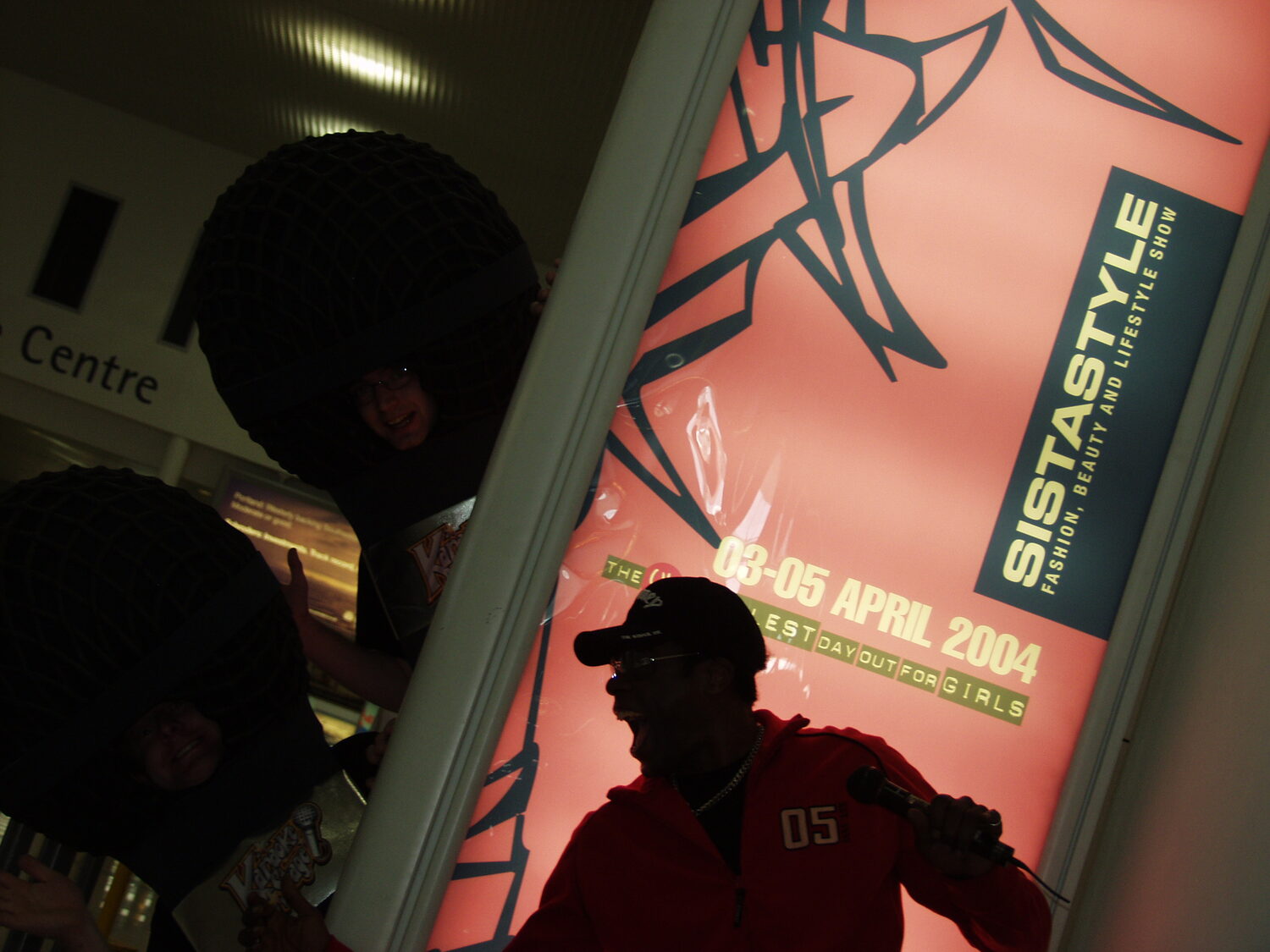
We wanted someone who could present the show and work the floor with a roaming camera crew. We got Normski. The live stage ran all day — a run of up-and-coming artists — and by opening morning, everything was in place.
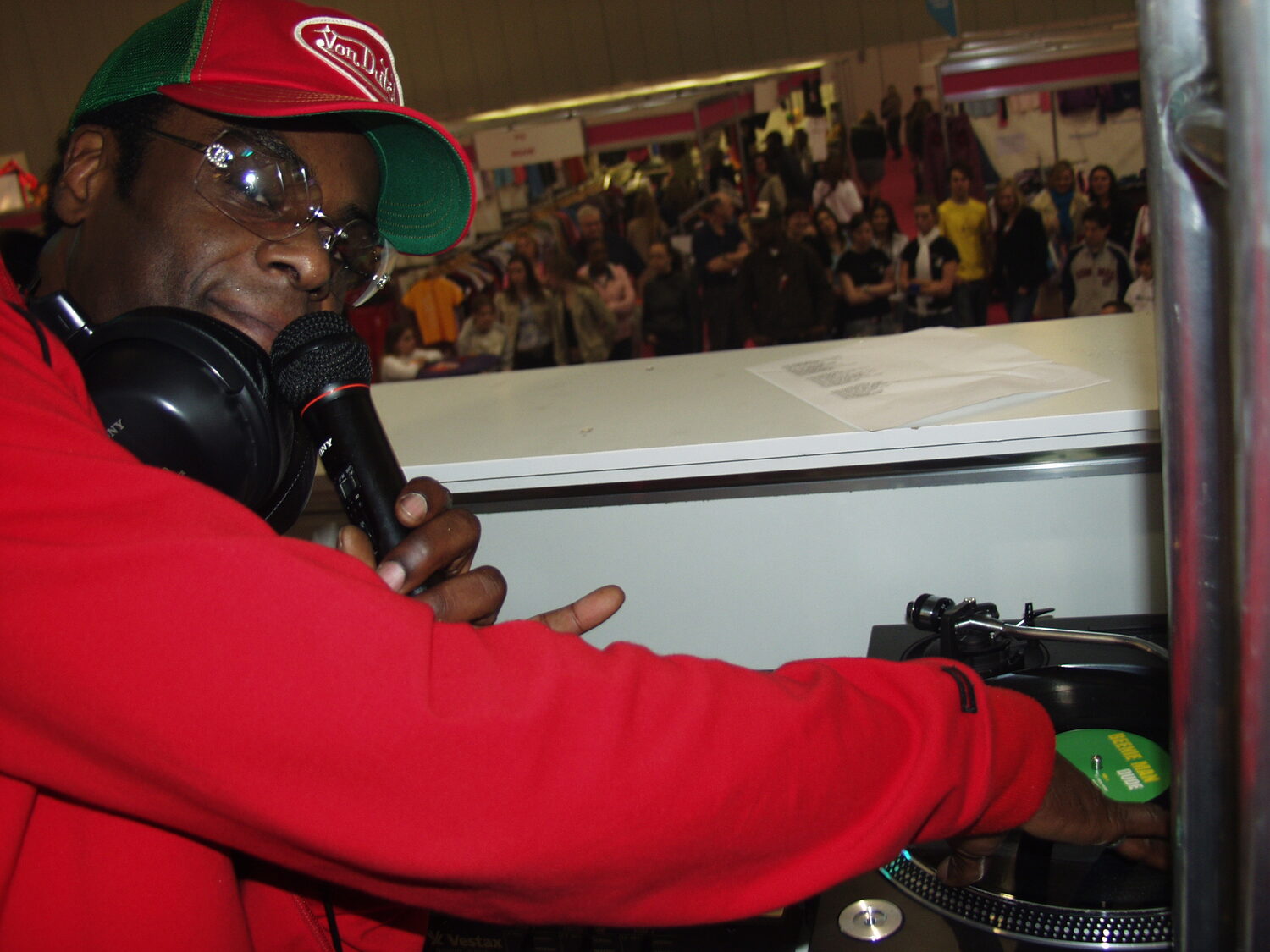
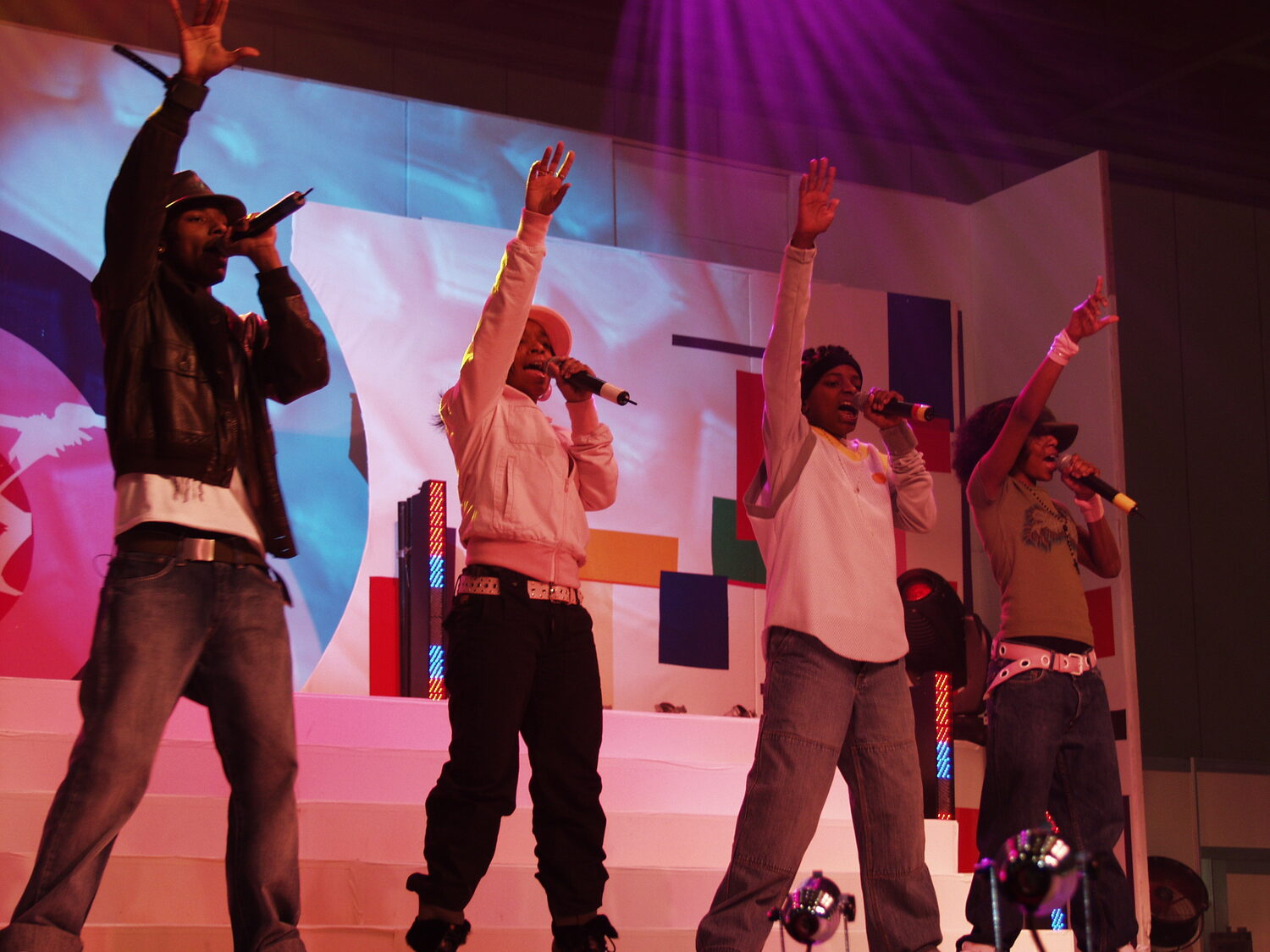

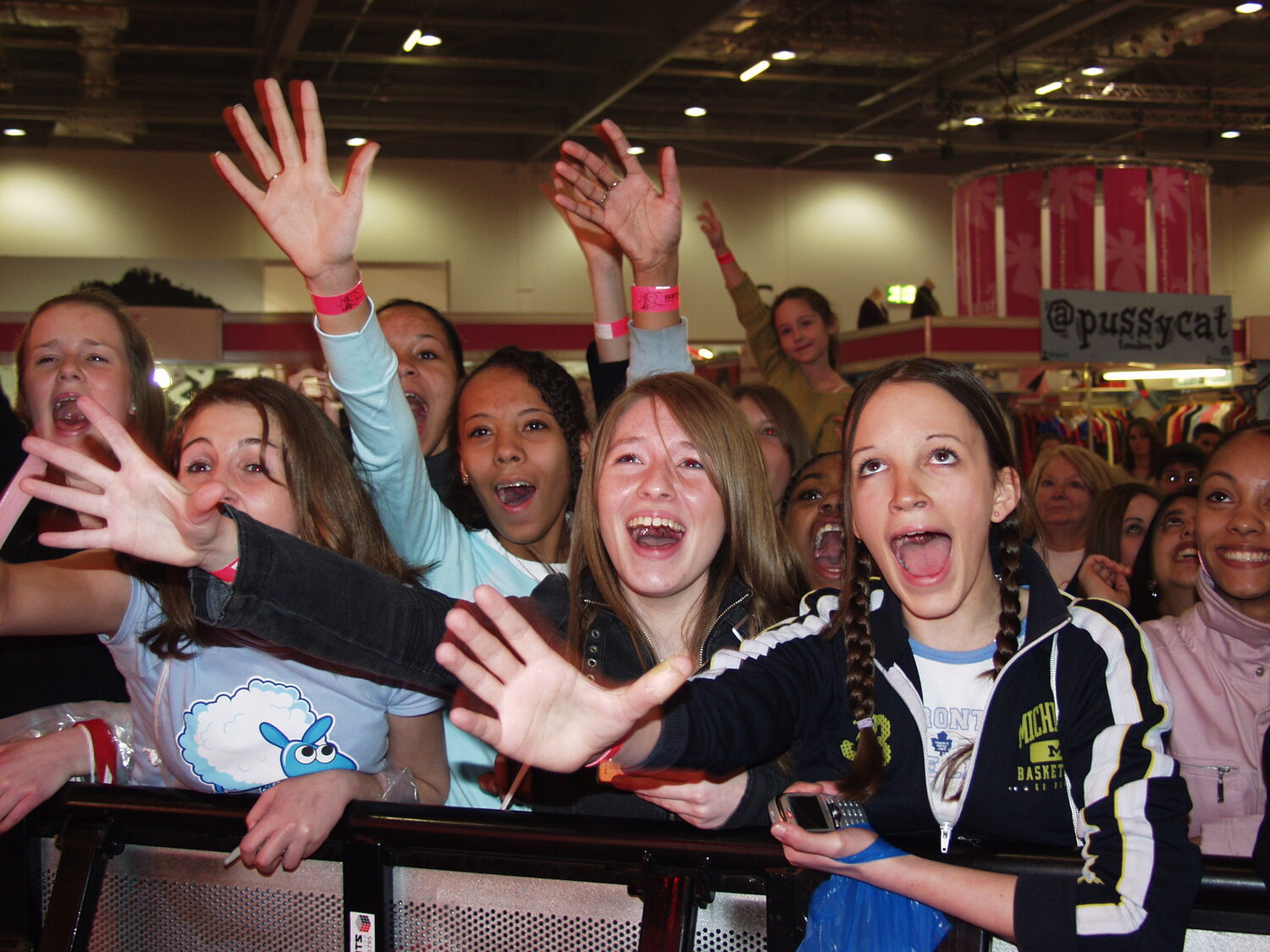
Two days of build, a morning of rehearsals, and then the doors opened. For three days the floor was exactly what we'd pictured on that drive home from Birmingham: girls, music, make-up, mates.

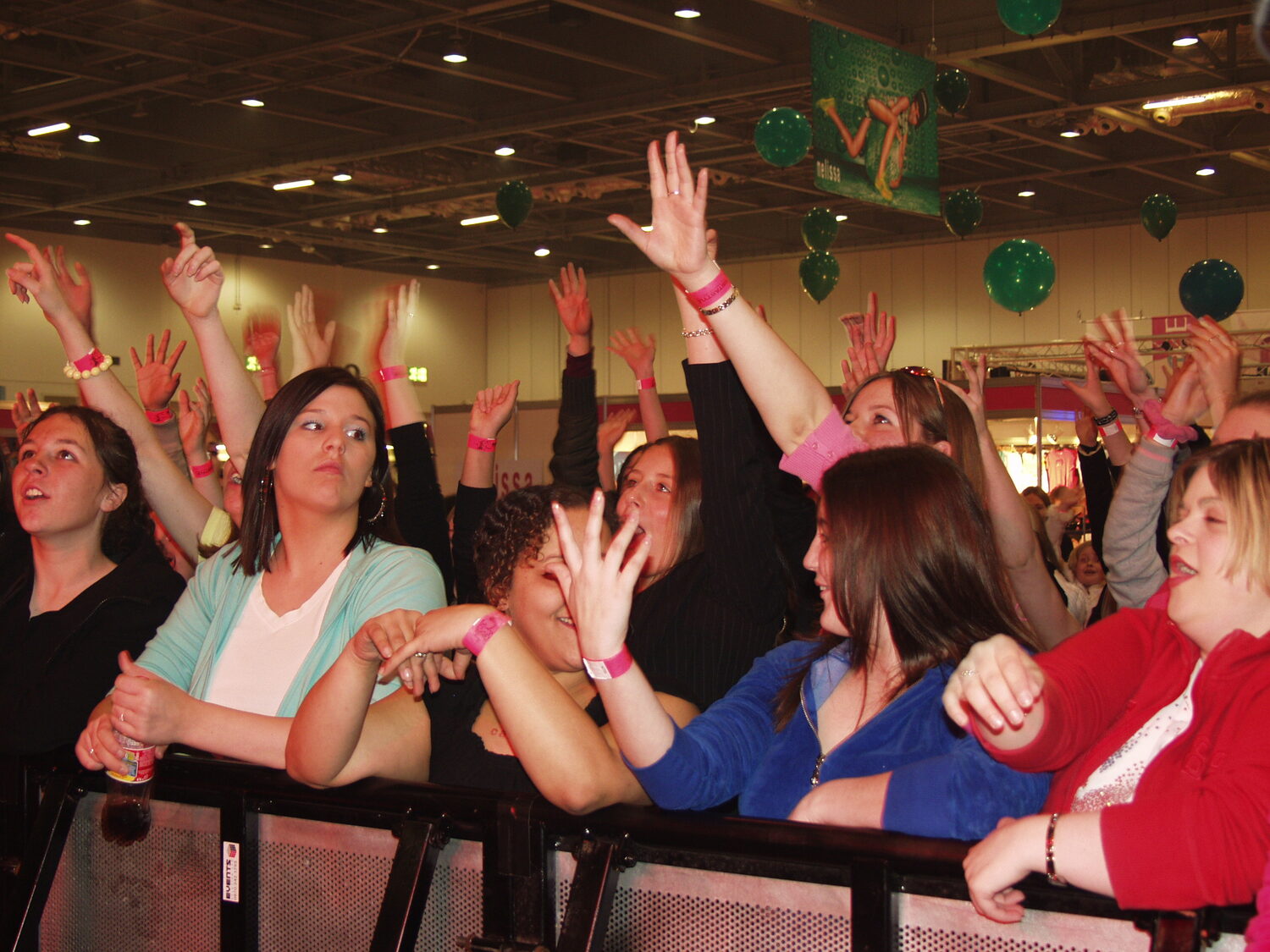
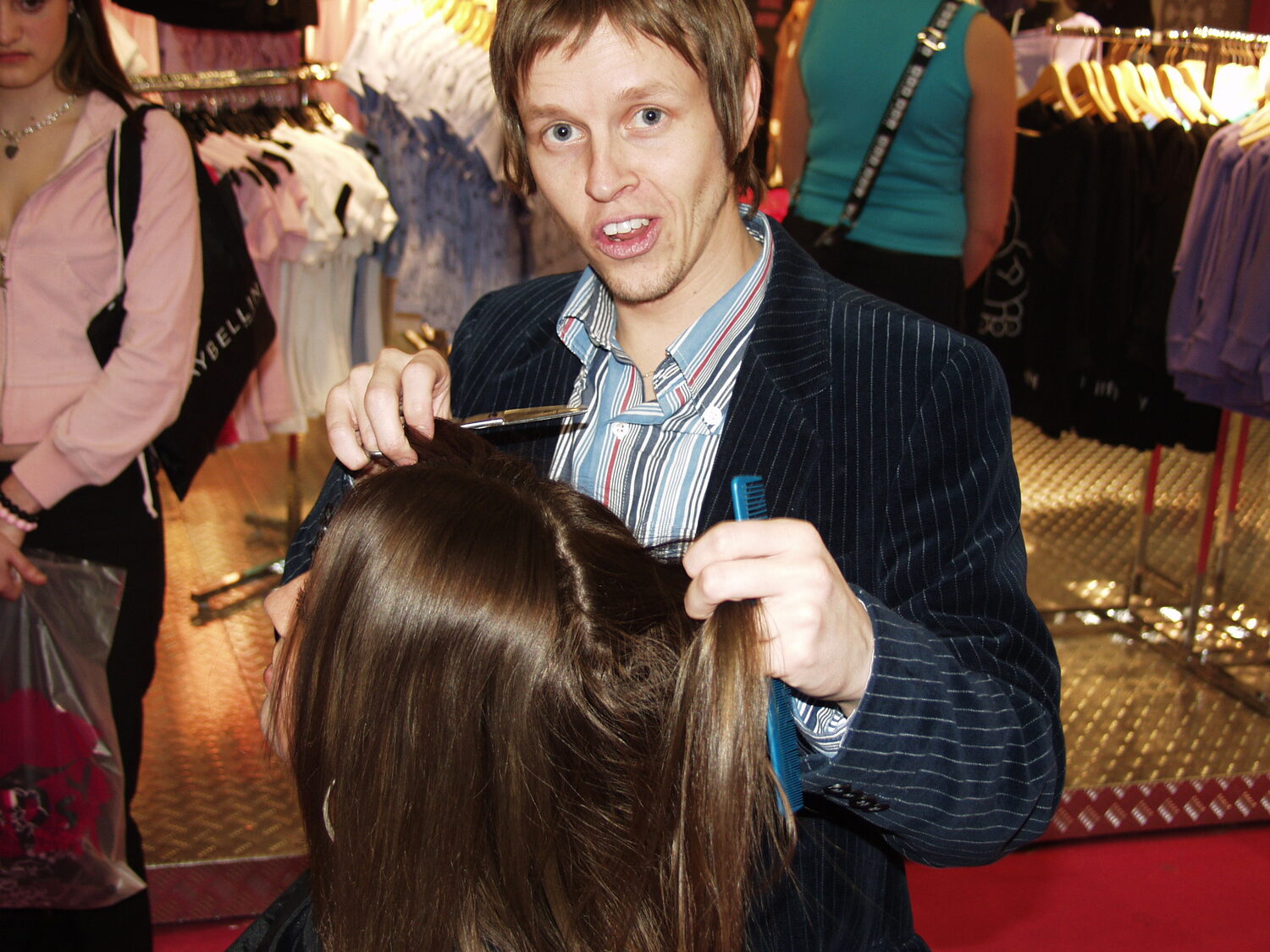
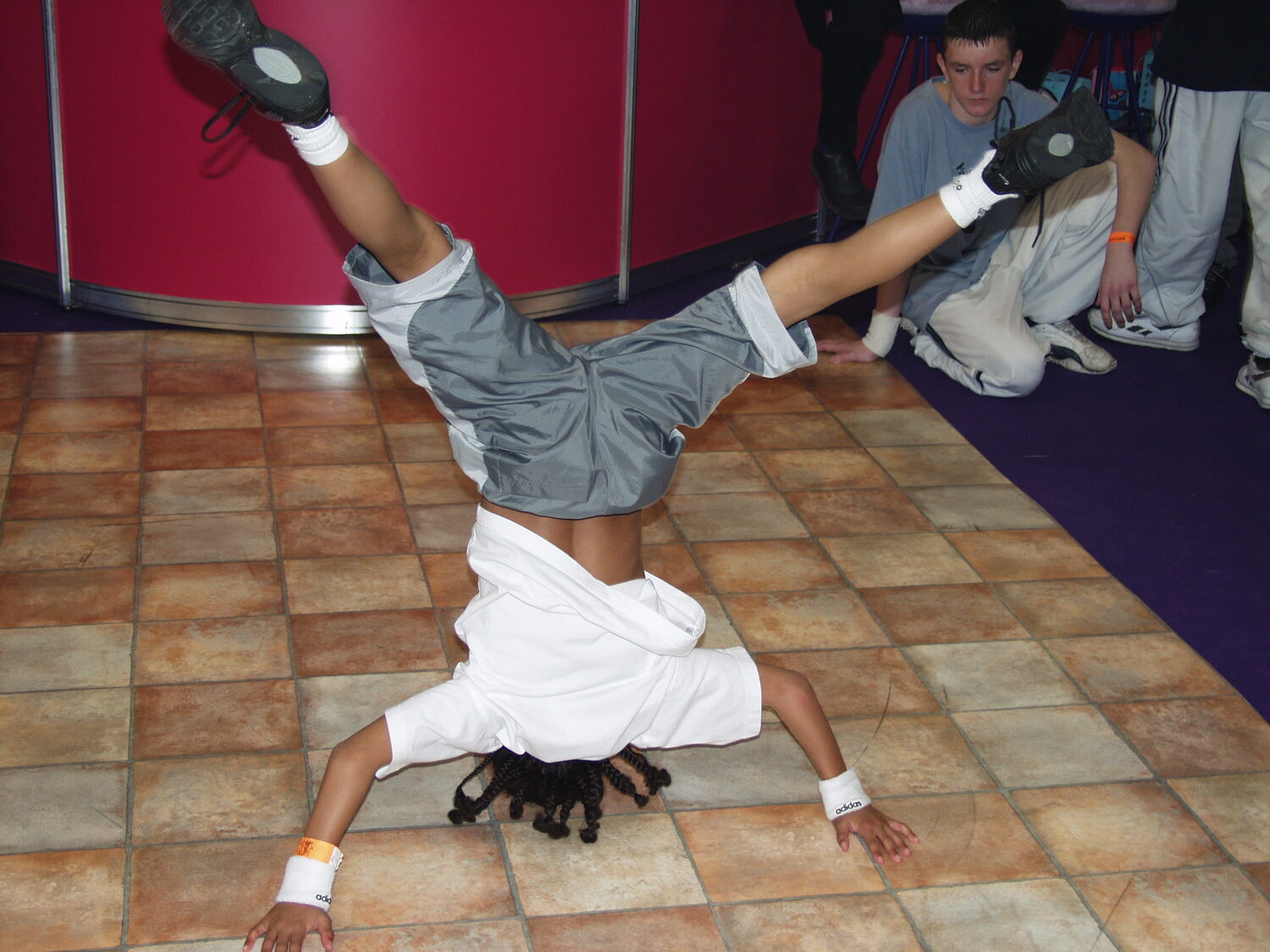
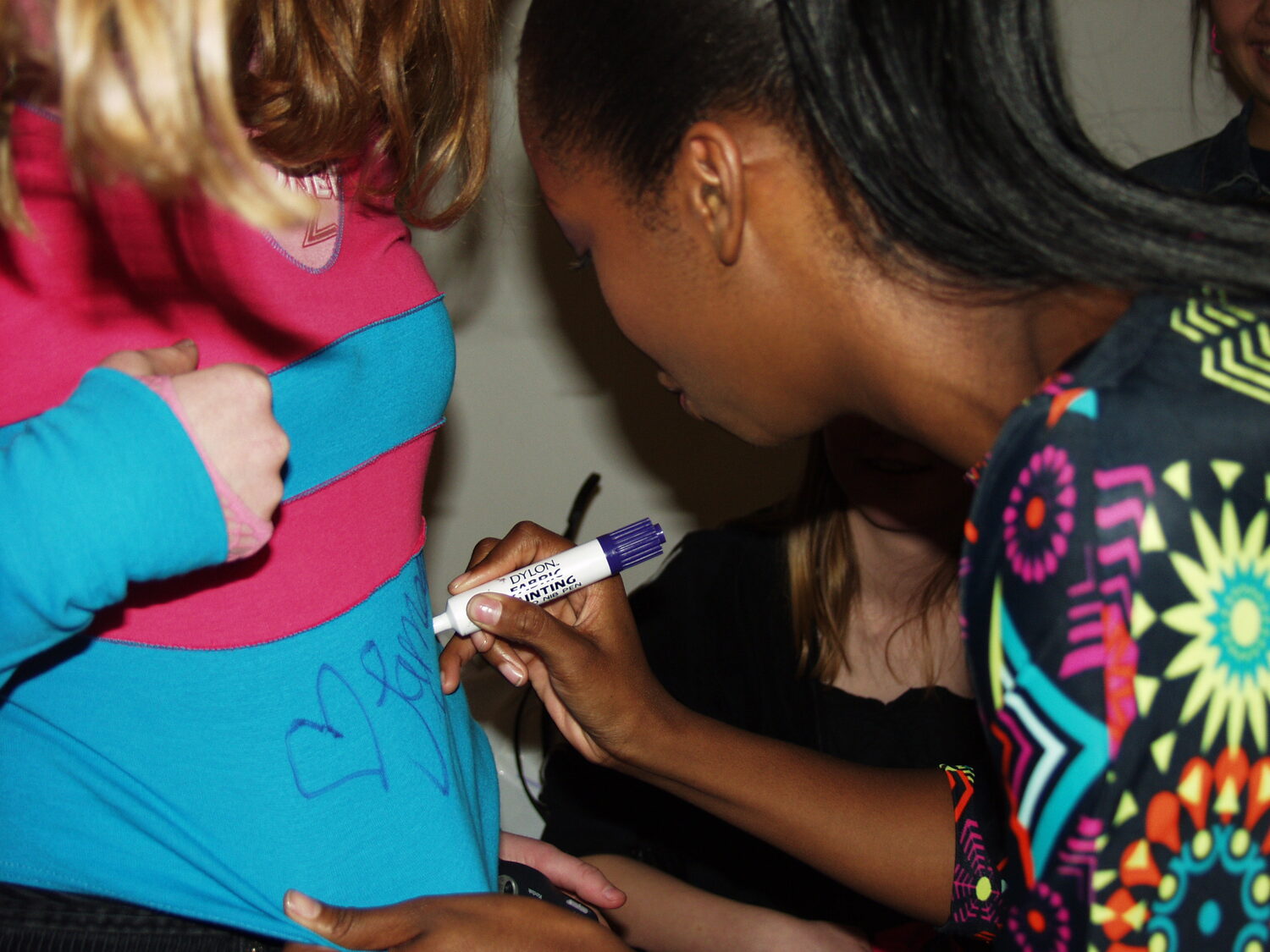
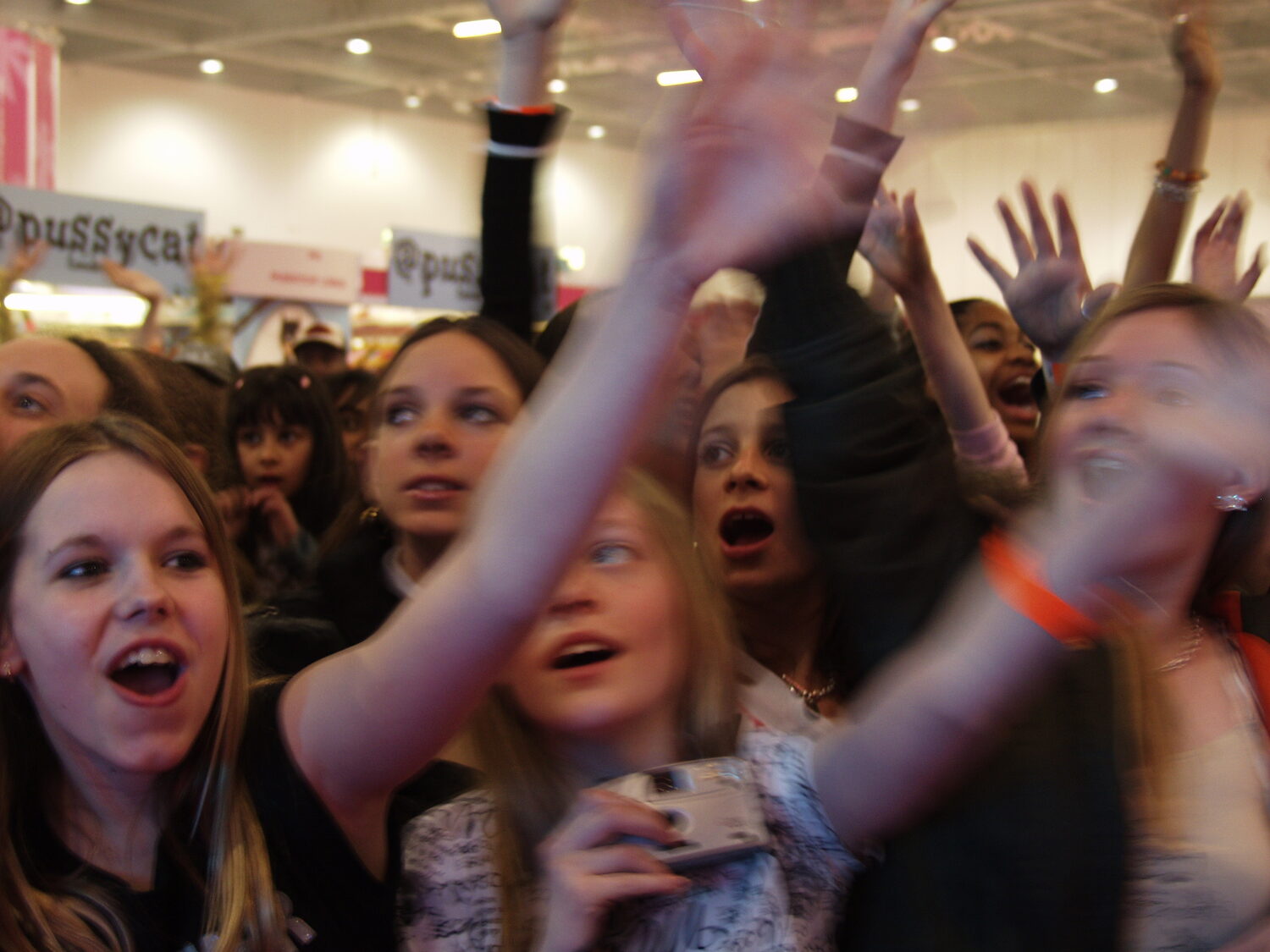
The only way to really understand the room is to watch it move. Here's the archive footage — straight from the floor at ExCeL London, April 2004.
I'll be straight about how it went. Visitor figures came in around 5,000 — well short of our 20,000 target. The single biggest factor was location: back then, ExCeL was simply too far east for the audience we needed to pull.
"Visitor figures of 5,000 fell well short of the 15,000 target. Despite this, the Style Group is confident the show will develop. 'We went into it quite green and idealistic, but we have some quality feature areas.' … On the whole we are very happy — it's year one, and for us it's about brand presence and awareness. The SistaStyle brand is right, it just needs to grow."
Trade press · 2004SistaStyle ran for a single year. But the little graffiti girl with the oversized headphones and the board under her arm never really left. Twenty years on, she's been rebuilt end to end — designed, modelled and lit, and finally given a name.
She's Nena now.